
Mohammed Aamir Hussain Khan (born March 14, 1965), known professionally as Aamir Khan, is an Indian actor, filmmaker, and producer who works predominantly in Hindi cinema. After appearing as a child actor in Yaadon Ki Baaraat (1973), he made his leading feature debut in the romantic drama Qayamat Se Qayamat Tak (1988), earning the Filmfare Award for Best Male Debut. His subsequent film credits throughout the late 1980s and 1990s included Raakh (1989), Dil (1990), Jo Jeeta Wohi Sikandar (1992), Hum Hain Rahi Pyar Ke (1993), Andaz Apna Apna (1994), and Rangeela (1995). For his performance in Raja Hindustani (1996), he won his first Filmfare Award for Best Actor, followed by roles in Ishq (1997), Ghulam (1998), and Sarfarosh (1999).
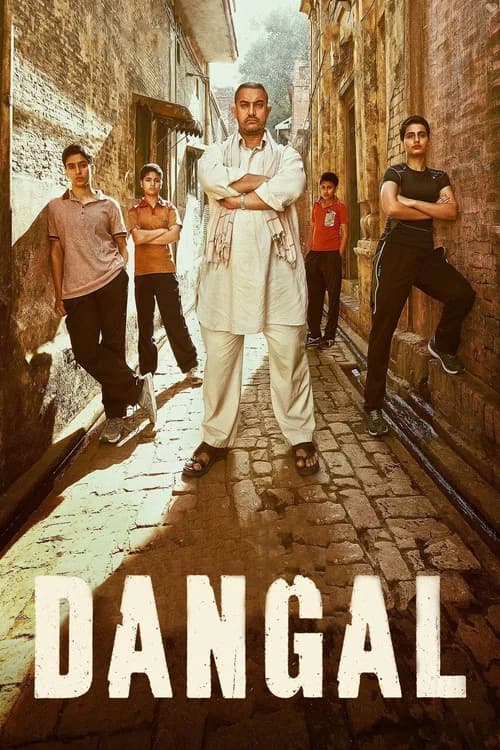
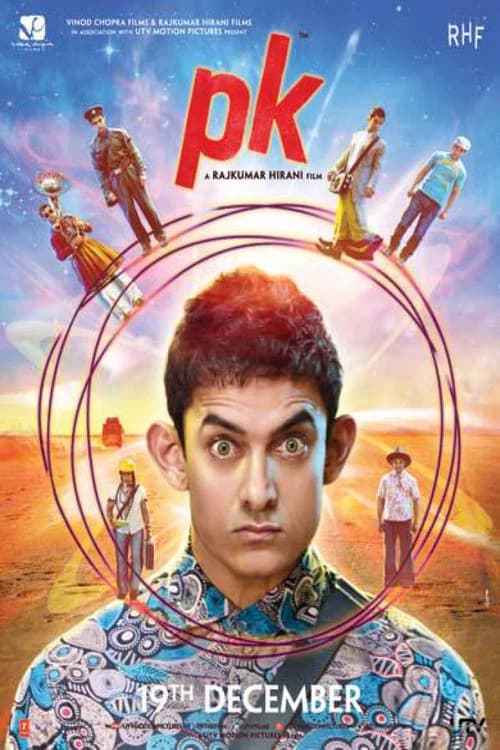
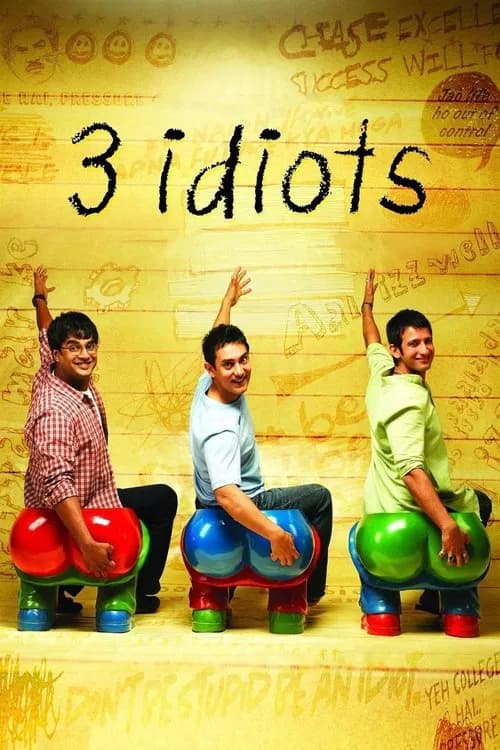
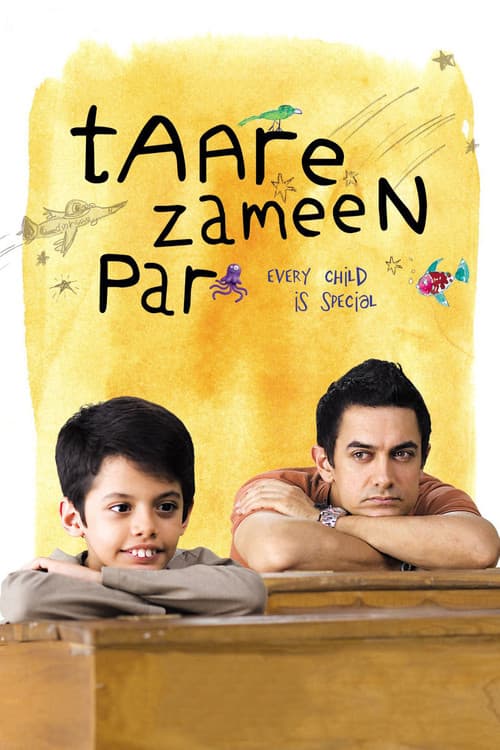
In 1999, Khan founded his production company, Aamir Khan Productions, producing the period sports drama Lagaan: Once Upon a Time in India (2001). The film won the National Film Award for Best Popular Film Providing Wholesome Entertainment, earned an Academy Award nomination for Best Foreign Language Film, and won Khan the Filmfare Award for Best Actor. That same year, he starred in the coming-of-age drama Dil Chahta Hai (2001). Khan later made his directorial debut with the drama Taare Zameen Par (released internationally as Like Stars on Earth, 2007), for which he won both the National Film Award for Best Film on Other Social Issues and the Filmfare Award for Best Director. His lead feature roles during this period included the sports drama Dangal (2016), which won him the Filmfare Award for Best Actor, as well as Rang De Basanti (2006), Ghajini (2008), 3 Idiots (2009), PK (2014), and Secret Superstar (2017).
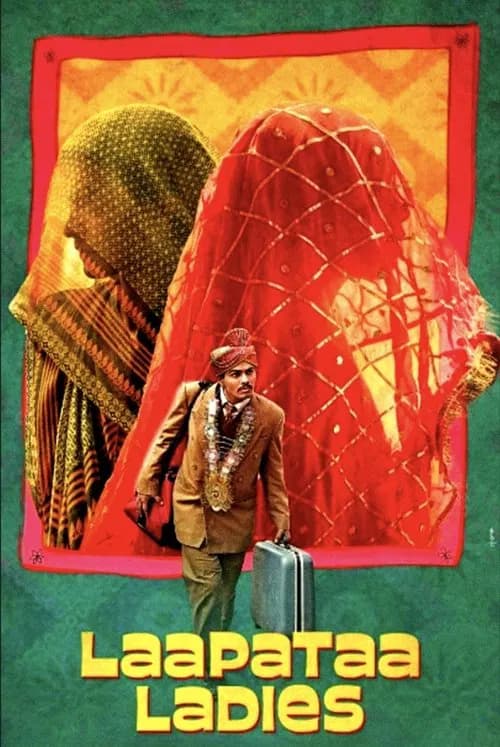
Outside feature films, Khan created and hosted the television docuseries Satyamev Jayate (2012). As a producer, his company backed features including Jaane Tu... Ya Jaane Na (2008), Peepli Live (2010), Delhi Belly (2011), and the comedy-drama Laapataa Ladies (released as Lost Ladies, 2024). He subsequently starred in and produced the drama Laal Singh Chaddha (2022) and Sitaare Zameen Par (2025), in addition to producing Batwara 1947 (2026).